Home Lab Projects That Simulate Real Enterprise Environments
Building a home lab that mirrors enterprise-grade environments is one of the most effective ways to gain practical IT, cybersecurity, and cloud experience without corporate access. These projects allow professionals to experiment with real-world architectures, validate design decisions, and develop operational confidence that translates directly to enterprise roles.
Table of Contents
- Why Enterprise-Style Home Labs Matter
- Core Infrastructure Foundations
- Enterprise Networking Simulation Projects
- Identity and Access Management Labs
- Security Operations and Monitoring
- Automation and DevOps Pipelines
- Backup, High Availability, and Disaster Recovery
- Scaling and Optimizing Your Home Lab
- Top 5 Frequently Asked Questions
- Final Thoughts
- Resources
Why Enterprise-Style Home Labs Matter
Enterprise IT environments are defined by scale, redundancy, security, and operational discipline. Home labs that simulate these conditions help bridge the gap between theoretical knowledge and production realities. According to industry hiring data, candidates who demonstrate hands-on infrastructure experience are significantly more likely to advance through technical interview stages.
A well-designed lab develops architectural thinking. It forces decisions around segmentation, fault tolerance, monitoring, and automation. These are the same decisions made daily by enterprise architects, systems engineers, and security teams.
Core Infrastructure Foundations
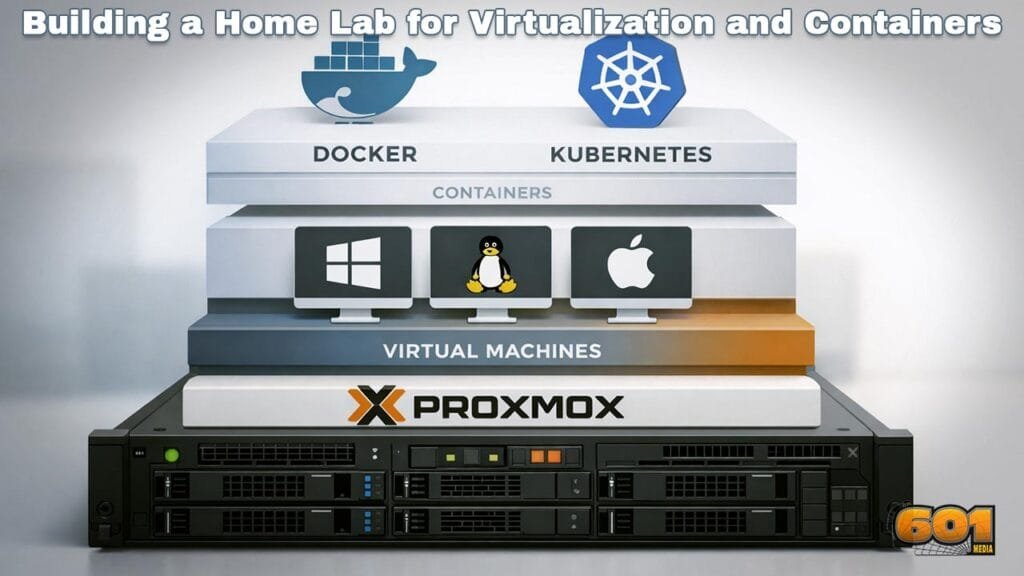
Every enterprise simulation begins with infrastructure. Virtualization platforms allow multiple workloads to coexist, reflecting production server consolidation strategies. Using hypervisors enables workload isolation, resource allocation, and lifecycle management.
Key components to implement include:
- Multiple virtual hosts to simulate cluster behavior
- Shared storage models using network-attached storage concepts
- Dedicated management networks separated from production traffic
This foundation mirrors enterprise data centers where resource efficiency and resilience are paramount.
Enterprise Networking Simulation Projects
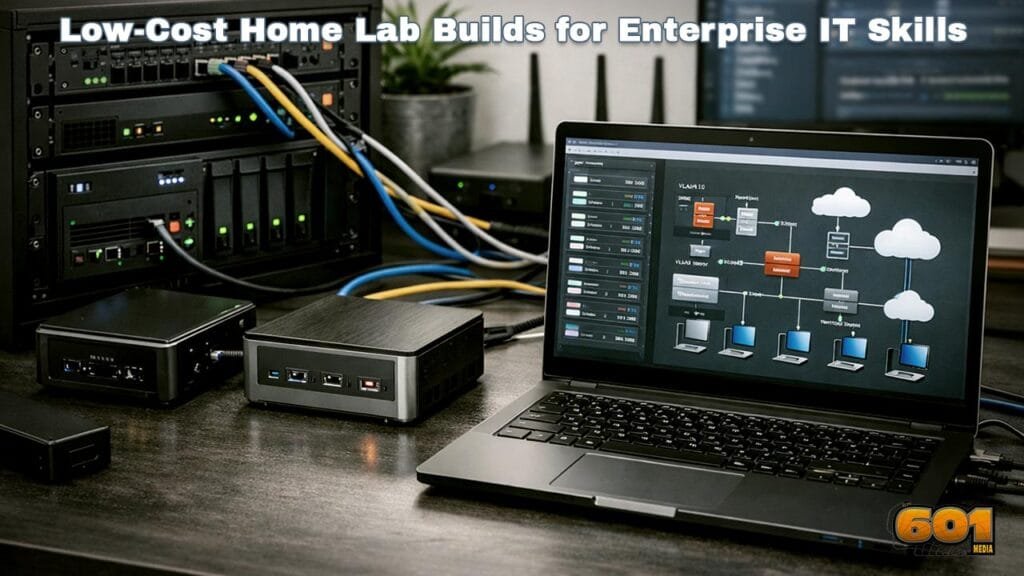
Networking defines enterprise complexity. Home labs should replicate segmented networks with clearly defined trust boundaries. VLANs, routing tables, and firewall rules introduce realistic traffic flows and access control.
Practical projects include:
- Designing multi-tier network architectures
- Implementing internal DNS and DHCP services
- Simulating site-to-site and remote-access VPNs
These configurations reflect how enterprises isolate workloads, manage traffic, and secure communication paths.
Identity and Access Management Labs
Identity is the control plane of modern enterprises. A realistic home lab includes centralized authentication and authorization. This allows testing of role-based access control, least-privilege policies, and authentication workflows.
Projects may involve:
- Centralized directory services
- Single sign-on across internal applications
- Group policy enforcement for users and systems
These labs closely resemble enterprise identity governance frameworks.
Security Operations and Monitoring
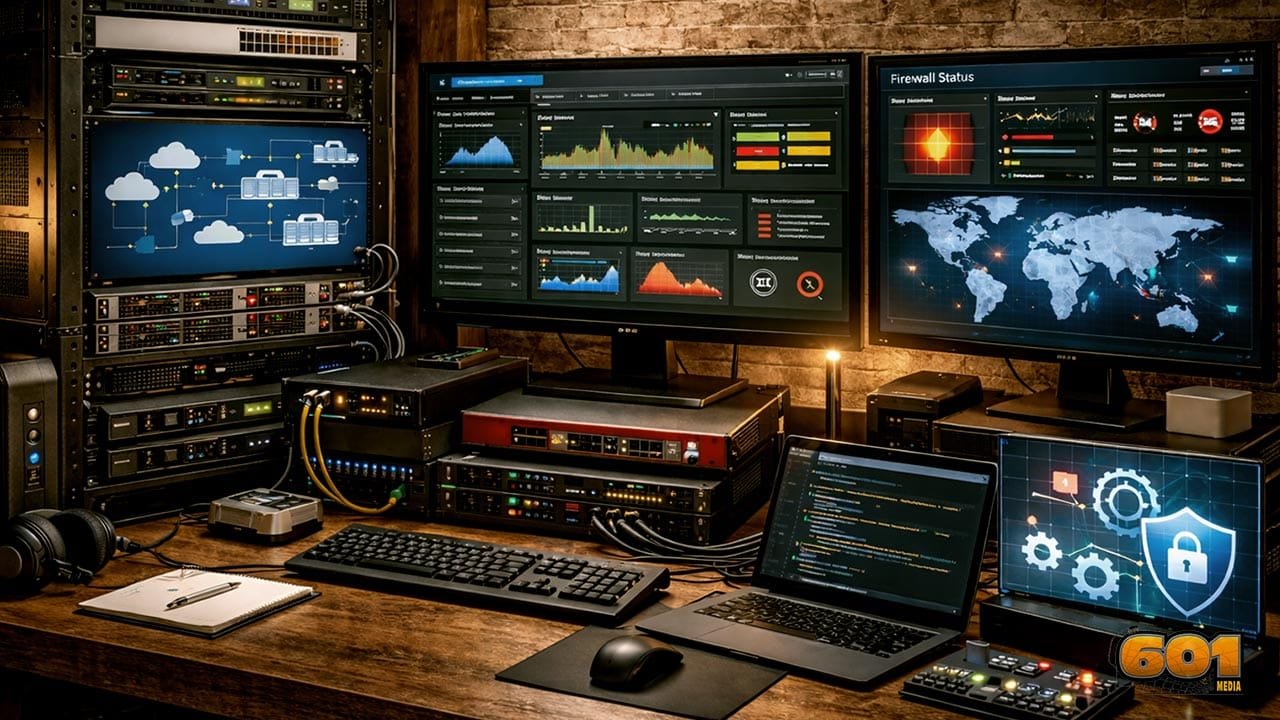
Enterprise environments rely on continuous visibility. Monitoring, logging, and alerting transform raw system data into operational insight. Home labs can simulate security operations centers by aggregating logs and telemetry.
High-impact projects include:
- Centralized log collection and correlation
- Endpoint detection and response simulations
- Vulnerability scanning and remediation workflows
These exercises build practical cybersecurity intuition and incident response skills.
Automation and DevOps Pipelines
Automation is no longer optional in enterprise IT. Home labs provide a safe environment to practice infrastructure as code, continuous integration, and continuous deployment.
Recommended projects include:
- Automated server provisioning
- Configuration management across environments
- CI/CD pipelines deploying applications to staging and production tiers
These workflows replicate how enterprises reduce manual errors and accelerate delivery.
Backup, High Availability, and Disaster Recovery
Enterprises plan for failure. Home labs should intentionally simulate outages and recovery scenarios. This builds resilience thinking and validates backup strategies.
Projects to implement:
- Automated backup schedules
- Snapshot and restore testing
- Failover simulations between environments
These exercises reinforce business continuity principles used in production systems.
Scaling and Optimizing Your Home Lab
As skills mature, labs should evolve. Scaling introduces performance tuning, cost optimization, and lifecycle management challenges. Monitoring resource usage helps refine architectural decisions.
Advanced practitioners focus on:
- Capacity planning and forecasting
- Performance benchmarking
- Documenting architecture decisions
This mirrors enterprise governance and operational maturity models.
Top 5 Frequently Asked Questions
Final Thoughts
Enterprise-style home lab projects are not about mimicking tools, but about cultivating systems thinking. The most valuable takeaway is the ability to design, operate, secure, and recover complex environments under realistic constraints. These projects transform theoretical knowledge into operational confidence, making them one of the strongest career accelerators in modern IT.
Resources
- Industry IT infrastructure best practices documentation
- Enterprise architecture and DevOps research publications
- Cybersecurity operations and monitoring frameworks

I am a huge enthusiast for Computers, AI, SEO-SEM, VFX, and Digital Audio-Graphics-Video. I’m a digital entrepreneur since 1992. Articles include AI researched information. Always Keep Learning! Notice: All content is published for educational and entertainment purposes only. NOT LIFE, HEALTH, SURVIVAL, FINANCIAL, BUSINESS, LEGAL OR ANY OTHER ADVICE. Learn more about Mark Mayo