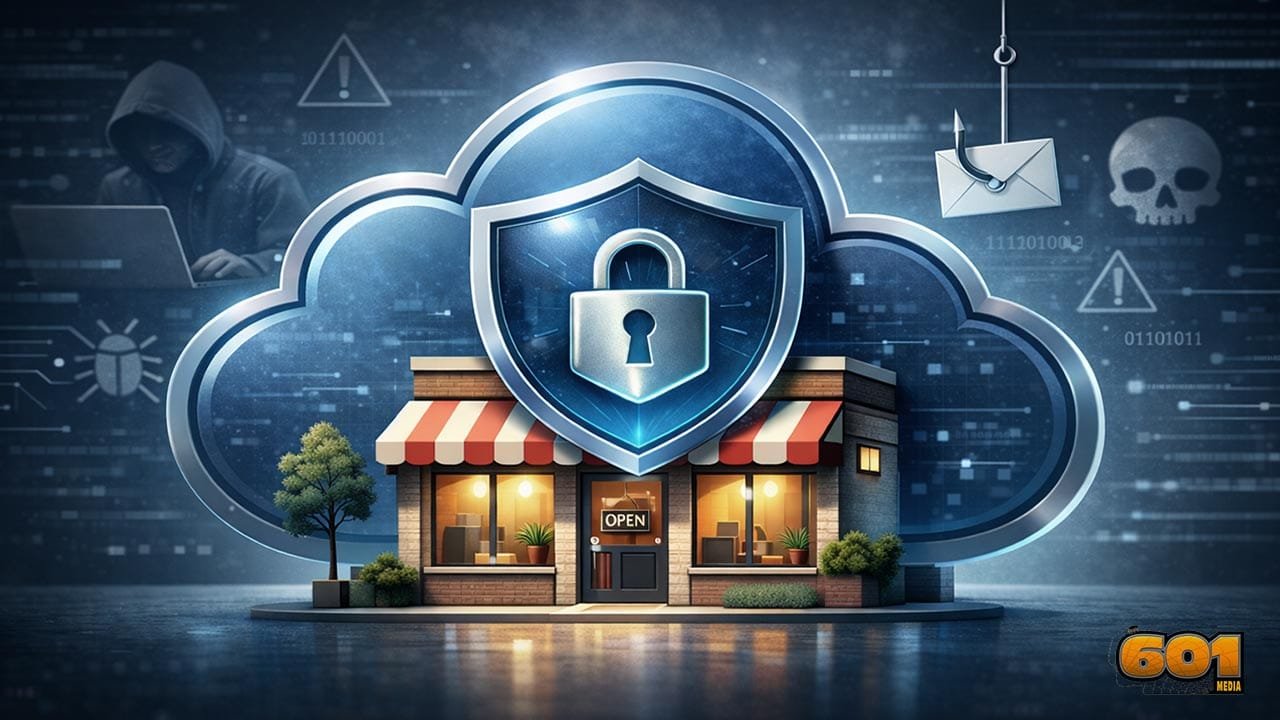
Cloud Security Best Practices for Small Businesses
Small businesses are moving to the cloud faster than ever, but security often lags behind adoption. Cybercriminals increasingly target small organizations because defenses are weaker and response plans are underdeveloped. Cloud security is no longer optional. It is a foundational business requirement that protects revenue, reputation, and customer trust.
Table of Contents
- Why Cloud Security Matters for Small Businesses
- Understanding the Shared Responsibility Model
- Identity and Access Management Best Practices
- Data Protection and Encryption
- Monitoring, Logging, and Incident Response
- Compliance and Regulatory Considerations
- Building a Security-First Culture
- Top 5 Frequently Asked Questions
- Final Thoughts
- Resources
Why Cloud Security Matters for Small Businesses
Small businesses experience nearly 43 percent of all cyberattacks, yet most lack dedicated security teams. Cloud platforms concentrate sensitive assets such as customer data, financial records, and intellectual property into centralized environments. A single misconfiguration can expose thousands of records in seconds. Cloud breaches frequently stem from preventable issues including weak passwords, public storage buckets, and excessive user permissions. Unlike large enterprises, small businesses often struggle to recover from downtime, legal exposure, and reputational damage following an incident.
Understanding the Shared Responsibility Model
Cloud security is not fully outsourced. Cloud providers secure the infrastructure, but customers are responsible for protecting data, user access, configurations, and applications. Misunderstanding this model is one of the most common security failures among small businesses. For example, while the cloud provider encrypts physical storage devices, it is the business owner’s responsibility to enable encryption for databases, restrict access roles, and monitor account activity. Security gaps emerge when ownership is unclear.
Identity and Access Management Best Practices
Identity and access management is the first line of defense in cloud security. Over 80 percent of cloud breaches involve compromised credentials. Strong access controls include enforcing multi-factor authentication for all users, eliminating shared accounts, and applying the principle of least privilege. Every employee should only access the systems required for their role. Admin privileges should be limited to a small number of trusted individuals, and access reviews should be conducted quarterly to remove unused or outdated permissions.
Data Protection and Encryption
Encrypting data both at rest and in transit significantly reduces breach impact. Encryption ensures that even if attackers gain access, the data remains unreadable without keys. Small businesses should also implement automated backups with versioning and immutable storage options. Ransomware attacks frequently target cloud backups, so protecting them with separate credentials and retention policies is essential. Data classification policies help identify which information requires the strongest protection, such as payment details or customer identifiers.
Monitoring, Logging, and Incident Response
Security monitoring provides visibility into suspicious behavior before damage occurs. Log management tools track login attempts, configuration changes, and data access patterns. Small businesses should define alert thresholds for unusual activities such as logins from foreign locations or large data exports. Incident response plans should clearly outline who responds, how systems are isolated, and when customers must be notified. Practicing tabletop exercises annually improves readiness and reduces response time during real incidents.
Compliance and Regulatory Considerations
Many small businesses fall under regulations such as GDPR, HIPAA, or PCI-DSS, even if compliance is not obvious. Non-compliance can result in fines that exceed the cost of proper security controls. Cloud-native compliance tools can automate audits, policy enforcement, and reporting. Documenting security policies and maintaining audit trails simplifies regulatory reviews and builds customer confidence.
Building a Security-First Culture
Technology alone cannot secure the cloud. Human error remains the leading cause of security incidents. Employees must understand phishing risks, password hygiene, and data handling expectations. Regular security awareness training reduces successful attacks by more than 70 percent according to industry studies. Encouraging employees to report suspicious activity without fear creates an early warning system. Leadership involvement signals that security is a business priority, not an IT issue.
Top 5 Frequently Asked Questions
Final Thoughts
Cloud security best practices for small businesses are not about perfection. They are about reducing risk to acceptable levels through smart controls, awareness, and accountability. By understanding shared responsibility, securing identities, protecting data, and fostering a security-conscious culture, small businesses can confidently scale in the cloud without becoming easy targets. Security maturity grows incrementally, but inaction is the most expensive choice of all.
Resources
- IBM Cost of a Data Breach Report
- NIST Cybersecurity Framework
- Verizon Data Breach Investigations Report
- Cloud Security Alliance Best Practices

I am a huge enthusiast for Computers, AI, SEO-SEM, VFX, and Digital Audio-Graphics-Video. I’m a digital entrepreneur since 1992. Articles include AI researched information. Always Keep Learning! Notice: All content is published for educational and entertainment purposes only. NOT LIFE, HEALTH, SURVIVAL, FINANCIAL, BUSINESS, LEGAL OR ANY OTHER ADVICE. Learn more about Mark Mayo