What Is a Home Lab? and Why Are They So Popular?
A home lab is a personal, self-managed technology environment used to experiment, learn, and build real-world skills outside of formal classrooms or corporate infrastructure. Once limited to IT professionals and hobbyists, home labs have surged in popularity due to remote work, cloud-native tools, and the rise of self-directed learning in technology careers.
Table of Contents
- What Is a Home Lab?
- Core Components of a Home Lab
- Why Home Labs Are So Popular
- The Educational Value of Home Labs
- Home Labs and Self-Learning
- Career and Professional Advantages
- How to Get Started With a Home Lab
- Top 5 Frequently Asked Questions
- Final Thoughts
- Resources
What Is a Home Lab?
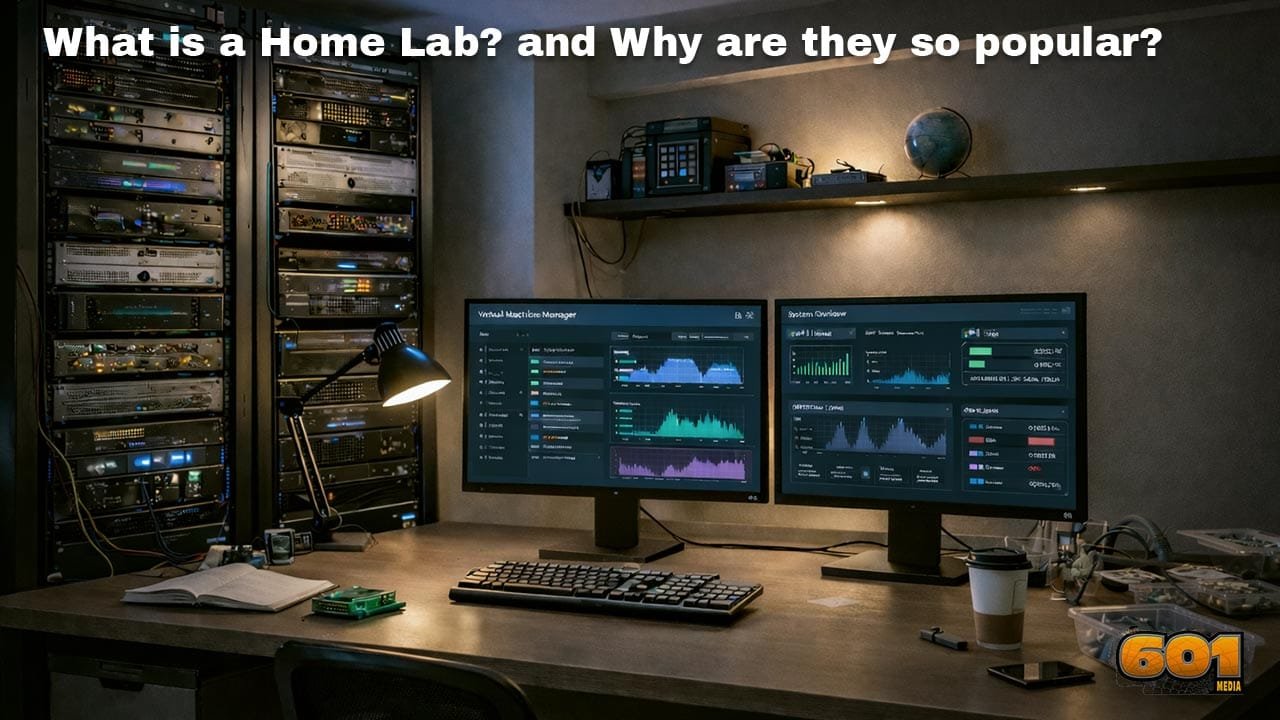
A home lab is a controlled technical environment built using physical hardware, virtual machines, containers, or cloud resources. Its purpose is hands-on experimentation without the risk of disrupting production systems. Home labs commonly replicate enterprise-grade infrastructure on a smaller scale, allowing users to test operating systems, networking concepts, cybersecurity tools, automation pipelines, and software deployments. Unlike theoretical learning, a home lab prioritizes practical execution. Users learn by building, breaking, fixing, and optimizing systems in real time.
Core Components of a Home Lab
Most home labs include a combination of the following elements:
- Physical hardware such as desktops, mini PCs, repurposed servers, or single-board computers
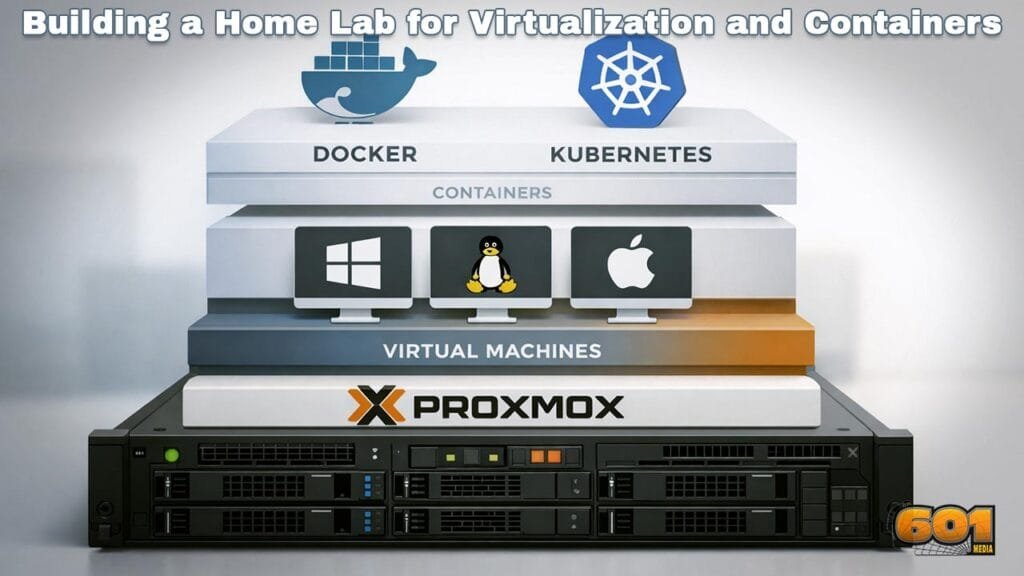
- Virtualization platforms that allow multiple systems to run on one machine
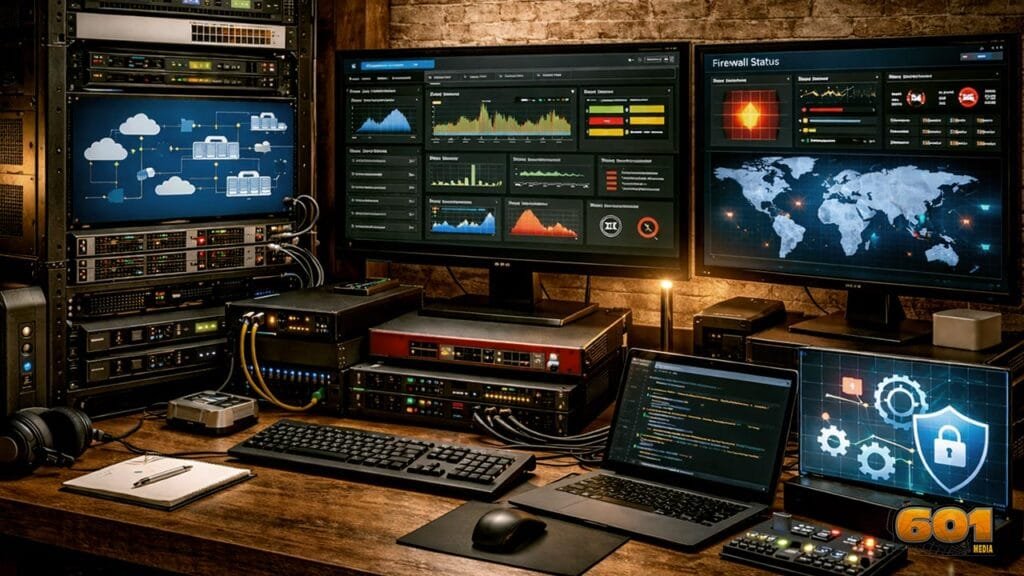
- Networking equipment including switches, routers, and firewalls
- Storage solutions for backups, media, and databases
- Monitoring and automation tools to simulate enterprise workflows
The flexibility of home labs means setups range from a single laptop running virtual machines to full racks with clustered servers.
Why Home Labs Are So Popular
Home labs have gained momentum due to several converging trends. Technology careers increasingly value demonstrable skills over formal credentials. Employers want proof of capability, not just certificates. A home lab produces tangible evidence of competence through projects, documentation, and system designs. Cloud platforms and open-source software have lowered the barrier to entry. Many enterprise tools are now free or low-cost for personal use, making experimentation accessible. Remote work and online education have shifted learning into personal environments. Home labs naturally complement this shift by providing an always-available practice space. Finally, the rise of cybersecurity threats and infrastructure complexity has made hands-on learning essential. Simulation is no longer optional for serious learners.
The Educational Value of Home Labs
Home labs fundamentally change how people learn technology. Traditional education often emphasizes theory first, practice second. Home labs reverse this model. Learners encounter real problems immediately and are forced to understand concepts deeply in order to solve them.
Key educational benefits include:
- Active learning through direct interaction with systems
- Immediate feedback from successes and failures
- Contextual understanding of abstract concepts
- Improved retention compared to passive study
Research in experiential learning consistently shows that people retain significantly more information when they learn by doing rather than by listening or reading alone. Home labs also allow learners to move at their own pace, revisit topics repeatedly, and explore advanced areas beyond standard curricula.
Home Labs and Self-Learning
Self-learning thrives in environments that reward curiosity, experimentation, and iteration. Home labs are purpose-built for this. They remove external constraints such as grading systems, limited lab hours, or predefined outcomes. Learners can follow their interests, whether that involves building a private cloud, securing a network, or automating infrastructure.
Home labs support self-learning by:
- Encouraging problem-solving rather than memorization
- Allowing safe failure without consequences
- Providing real-world context missing from tutorials
- Building confidence through independent achievement
Many professionals credit their home labs as the single most important factor in their technical growth.
Career and Professional Advantages
From a career perspective, home labs offer measurable advantages. They enable portfolio-based proof of skills. Documented lab projects demonstrate initiative, depth of understanding, and practical competence. Home labs also help learners prepare for certifications by reinforcing concepts through application rather than rote study. For career changers, home labs provide a bridge between theory and employability. They reduce the experience gap that often blocks entry-level opportunities. Employers increasingly recognize that candidates with hands-on experience adapt faster and require less onboarding time.
How to Get Started With a Home Lab
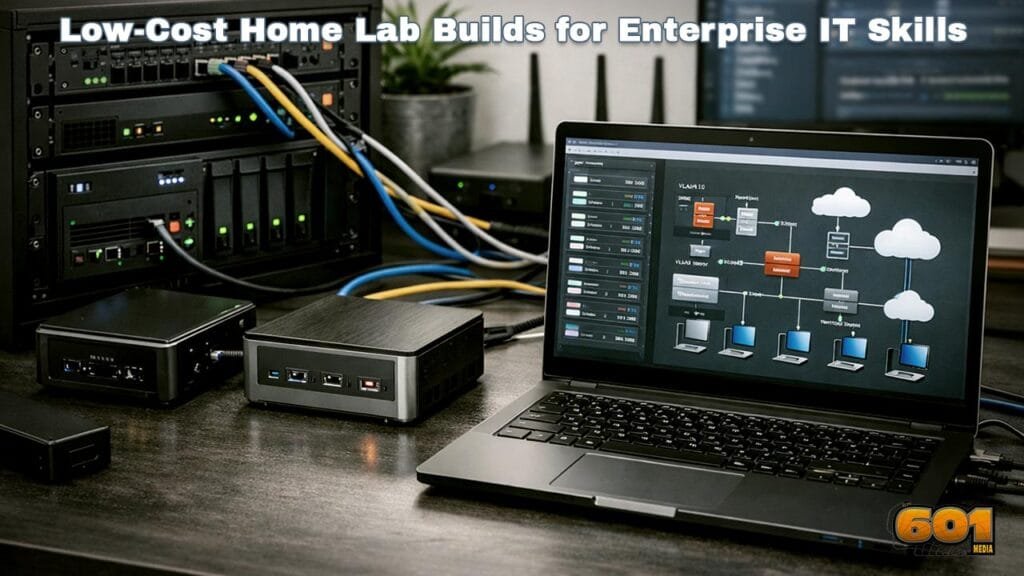
Starting a home lab does not require expensive equipment. Begin with existing hardware such as a personal computer. Install a virtualization platform and experiment with basic operating systems and networking.
Focus on one learning goal at a time. Examples include:
- Building a virtual network
- Hosting a personal website
- Setting up backups and monitoring
- Simulating a small enterprise environment
Document everything. Notes, diagrams, and troubleshooting steps turn experiments into long-term learning assets. As skills grow, the lab can evolve organically to include more complexity.
Top 5 Frequently Asked Questions
Final Thoughts
A home lab is more than a technical playground. It is a learning philosophy centered on curiosity, ownership, and real-world problem solving. As technology continues to evolve rapidly, the ability to teach oneself has become a core professional skill. Home labs empower learners to stay relevant, adaptable, and confident in their abilities. For anyone serious about mastering technology, a home lab is no longer optional—it is essential.
Resources
- Kolb, D. Experiential Learning Theory
- U.S. Bureau of Labor Statistics – IT Skills Outlook
- Open Source Initiative Documentation

I am a huge enthusiast for Computers, AI, SEO-SEM, VFX, and Digital Audio-Graphics-Video. I’m a digital entrepreneur since 1992. Articles include AI researched information. Always Keep Learning! Notice: All content is published for educational and entertainment purposes only. NOT LIFE, HEALTH, SURVIVAL, FINANCIAL, BUSINESS, LEGAL OR ANY OTHER ADVICE. Learn more about Mark Mayo