

What Is Cloud Computing? A Guide for Businesses and Innovators
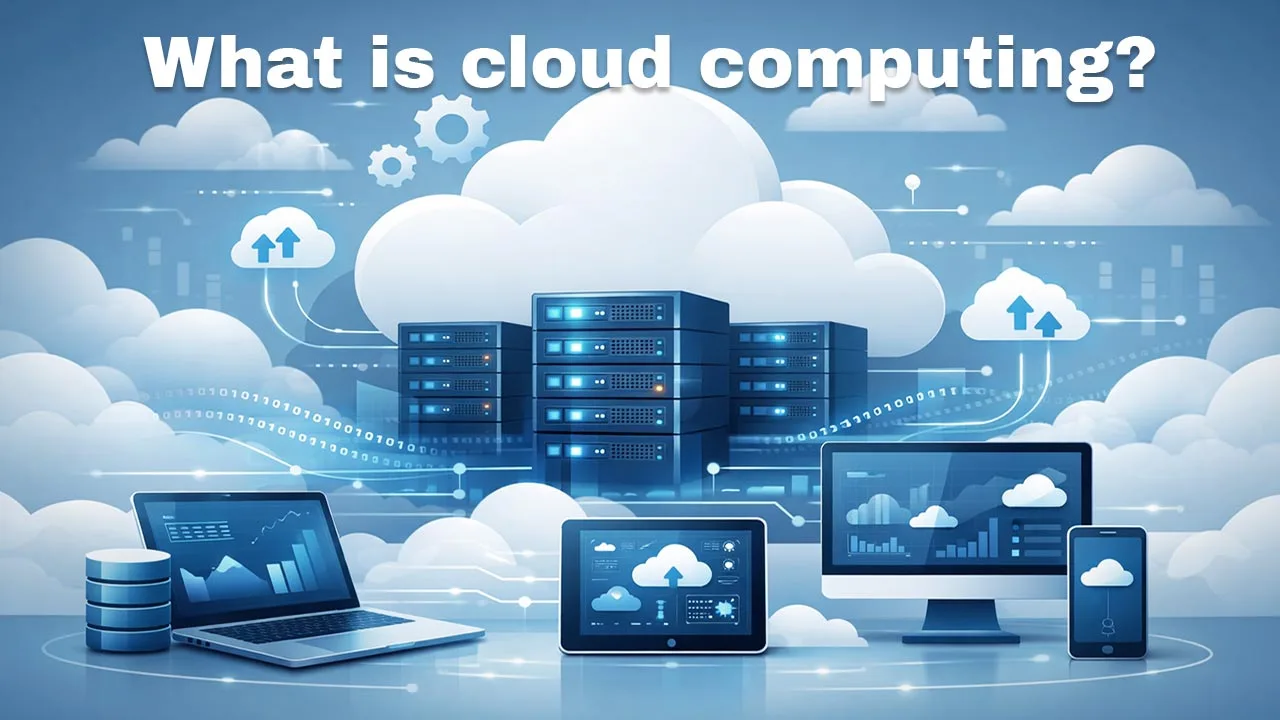
Cloud computing is the on-demand delivery of computing resources such as servers, storage, databases, networking, software, and analytics over the internet. Instead of owning and maintaining physical data centers, organizations access technology services as needed and pay only for what they use. This model has become the backbone of modern digital transformation, enabling faster innovation, scalable operations, and global reach with reduced upfront investment.
Table of Contents
- Defining Cloud Computing
- How Cloud Computing Works
- Cloud Service Models Explained
- Cloud Deployment Models
- Key Business Benefits
- Common Use Cases
- Security and Compliance Considerations
- Challenges and Limitations
- The Future of Cloud Computing
- Top 5 Frequently Asked Questions
- Final Thoughts
- Resources
Defining Cloud Computing
Cloud computing refers to a computing paradigm where IT resources are hosted in remote data centers and delivered via the internet. These resources include infrastructure, platforms, and software that can be rapidly provisioned and released with minimal management effort. The defining characteristics of cloud computing include self-service access, broad network availability, resource pooling, rapid elasticity, and measured service.
How Cloud Computing Works
Cloud providers operate large-scale data centers distributed across geographic regions. Virtualization technology allows physical hardware to be divided into multiple virtual machines, enabling efficient resource sharing among customers. Users interact with cloud services through web dashboards, APIs, or command-line tools. Workloads scale automatically based on demand, ensuring performance while controlling cost.
Cloud Service Models Explained
Infrastructure as a Service delivers raw computing resources such as virtual machines and storage, giving organizations full control over operating systems and applications. Platform as a Service provides a managed environment where developers can build, test, and deploy applications without managing infrastructure. Software as a Service delivers fully functional applications accessed through a browser, eliminating installation and maintenance responsibilities.
Cloud Deployment Models
Public cloud services are shared among multiple customers and operated by third-party providers. Private clouds are dedicated environments designed for a single organization, offering greater control and customization. Hybrid cloud combines public and private environments, allowing data and applications to move between them. Multi-cloud strategies use services from multiple providers to reduce dependency and improve resilience.
Key Business Benefits
Cloud computing reduces capital expenditure by replacing upfront hardware purchases with operating expenses. Scalability allows organizations to handle traffic spikes without overprovisioning. Global accessibility enables remote collaboration and rapid market expansion. Cloud platforms also accelerate innovation by providing access to advanced services such as artificial intelligence, data analytics, and automation tools.
Common Use Cases
Enterprises use cloud computing for data storage and backup, application hosting, disaster recovery, and development environments. Startups leverage cloud platforms to launch products quickly without infrastructure constraints. Industries such as healthcare, finance, and manufacturing use cloud services to process large datasets, enable real-time analytics, and support connected devices.
Security and Compliance Considerations
Leading cloud providers invest heavily in security controls, including encryption, identity management, and continuous monitoring. Responsibility is shared between the provider and the customer, known as the shared responsibility model. Compliance with standards such as ISO 27001, SOC 2, and GDPR is supported through built-in tools, but organizations must configure services correctly to maintain security posture.
Challenges and Limitations
Cloud adoption introduces challenges such as vendor lock-in, data sovereignty concerns, and cost management complexity. Poorly optimized workloads can lead to unexpected expenses. Latency and connectivity issues may affect performance for certain applications. Effective governance, architecture planning, and skills development are essential to mitigate these risks.
The Future of Cloud Computing
Cloud computing continues to evolve toward distributed architectures, including edge computing and serverless models. Artificial intelligence and machine learning services are becoming standard cloud offerings. As sustainability becomes a priority, cloud providers are investing in energy-efficient data centers and renewable power. Cloud computing will remain a foundational layer for digital innovation across industries.
Top 5 Frequently Asked Questions
Final Thoughts
Cloud computing is not simply a technology trend; it is a fundamental shift in how organizations build, deploy, and scale digital capabilities. Its value lies in flexibility, speed, and access to innovation that would otherwise be cost-prohibitive. Organizations that approach cloud adoption strategically, with clear governance and business alignment, gain a durable competitive advantage in an increasingly digital economy.
Resources

I am a huge enthusiast for Computers, AI, SEO-SEM, VFX, and Digital Audio-Graphics-Video. I’m a digital entrepreneur since 1992. Articles include AI researched information. Always Keep Learning! Notice: All content is published for educational and entertainment purposes only. NOT LIFE, HEALTH, SURVIVAL, FINANCIAL, BUSINESS, LEGAL OR ANY OTHER ADVICE. Learn more about Mark Mayo